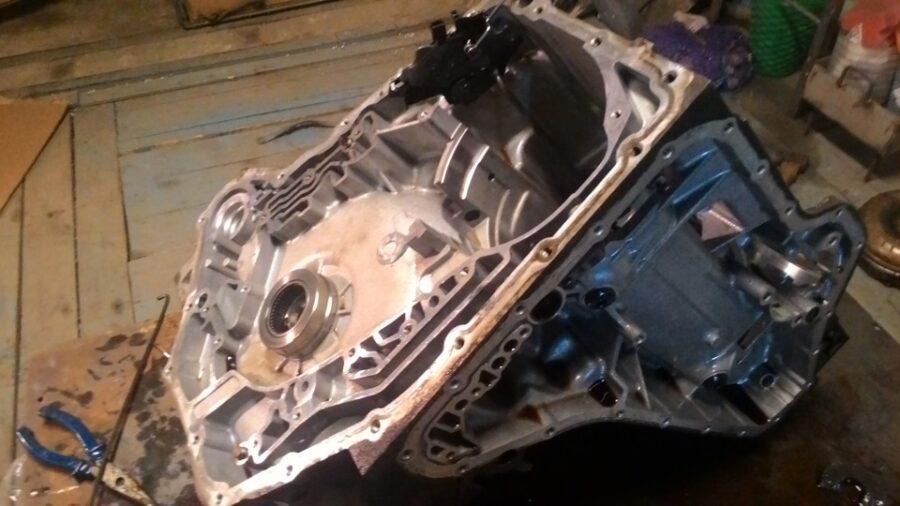
Transmission Reliability and Common Issues
The GMC Sierra, particularly those equipped with the 10-speed transmission, has garnered attention for both its performance and the issues that some owners have reported. While many drivers appreciate the smooth shifting and improved fuel efficiency that a 10-speed transmission can offer, it’s crucial to recognize that not all experiences have been positive.
Reliability Concerns
When it comes to reliability, the 10-speed transmission has had its fair share of ups and downs. Some owners report a seamless driving experience, while others have encountered significant problems. Here are a few points to consider:
- Many users have praised the transmission for its responsiveness and ability to handle heavy loads.
- However, there are reports of premature wear and tear, leading to costly repairs.
- Overall, the reliability can vary significantly based on driving habits and maintenance practices.
Types of Problems
The problems associated with the 10-speed transmission can be categorized into several types. Here’s a breakdown of the most commonly reported issues:
- Shifting Delays: Many drivers have experienced noticeable delays when shifting gears, which can be frustrating, especially in high-traffic situations.
- Harsh Shifting: Some users report harsh or jerky shifts, which can make for an uncomfortable driving experience.
- Slipping Gears: A more serious issue is the transmission slipping out of gear, which can pose safety risks and lead to further damage.
- Check Engine Light: Frequent illumination of the check engine light can indicate underlying transmission issues that need attention.
Symptoms to Watch For
Stop Guessing. Start Verifying.
Hidden transmission failures often skip the test drive, only to cost you thousands later. Learn how to spot red flags in under 30 minutes like a professional inspector.
Recognizing the symptoms of transmission problems early can save you from more extensive damage down the road. Here are some signs that might indicate you’re facing issues with your transmission:
- Unusual noises, such as grinding or whining, when shifting gears.
- Increased RPMs without a corresponding increase in speed, indicating slipping.
- Difficulty engaging or disengaging gears, often accompanied by a grinding sensation.
- Fluid leaks under the vehicle, which can be a sign of a failing transmission seal.
Consequences of Transmission Issues
Ignoring transmission problems can lead to a cascade of consequences that can affect your vehicle’s performance and safety. Here are some potential repercussions:
- Increased Repair Costs: What starts as a minor issue can escalate into a major repair, costing thousands of dollars.
- Decreased Vehicle Performance: A malfunctioning transmission can lead to poor acceleration and overall sluggishness.
- Safety Risks: Slipping gears or delayed shifts can create dangerous driving conditions, especially in busy traffic or on highways.
- Resale Value Impact: A history of transmission problems can significantly decrease your vehicle’s resale value.
Being aware of these issues and symptoms can help you make informed decisions about your GMC Sierra and its 10-speed transmission. If you notice any of these signs, it’s advisable to consult with a qualified mechanic to assess the situation before it worsens.
Sources of Transmission Problems
The GMC Sierra’s 10-speed transmission has been a topic of discussion for many truck enthusiasts and owners. While it offers impressive performance and efficiency, several sources of problems can arise, leading to frustrating experiences for drivers. Let’s dive into the common culprits behind these transmission issues.
1. Software Glitches
One of the primary sources of transmission problems in the 10-speed system is software-related issues. The transmission relies on complex algorithms to determine when to shift gears. If the software isn’t calibrated correctly, it can lead to erratic shifting patterns.
- Faulty programming can cause delayed shifts or harsh engagements.
- Updates from the manufacturer may resolve these glitches, so staying current with software updates is essential.
2. Fluid Quality and Levels
Transmission fluid plays a crucial role in the overall health of the system. If the fluid is dirty or at low levels, it can lead to various problems.
- Contaminated fluid can cause overheating and increased friction, leading to wear and tear.
- Low fluid levels can result in inadequate lubrication, causing components to grind against each other.
3. Mechanical Wear and Tear
Like any mechanical system, the 10-speed transmission is subject to wear and tear over time. Components such as clutches, gears, and bands can degrade, leading to performance issues.
- High mileage can exacerbate these problems, especially if the vehicle has been used for towing or heavy loads.
- Regular inspections can help identify worn parts before they fail completely.
4. Overheating
Overheating is a significant concern for transmissions, particularly in trucks like the GMC Sierra that may be used for towing or heavy-duty tasks.
- Excessive heat can cause fluid breakdown, leading to reduced lubrication and increased friction.
- Installing an auxiliary transmission cooler can help manage temperatures, especially during heavy towing.
5. Electrical Issues
The 10-speed transmission relies heavily on electrical components, including sensors and solenoids. Any malfunction in these parts can lead to shifting problems.
- Faulty sensors may send incorrect information to the transmission control module, resulting in improper shifting.
- Wiring issues can also disrupt communication between components, leading to erratic behavior.
Common Solutions to Transmission Problems
While this article focuses on the sources of problems, it’s important to know that there are common solutions that can help mitigate these issues. Here’s a table summarizing some of the sources and potential solutions:
| Source of Problem | Potential Solution |
|---|---|
| Software Glitches | Check for updates from the manufacturer and reprogram the transmission control module if necessary. |
| Fluid Quality and Levels | Regularly check and replace transmission fluid; ensure it’s clean and at the proper level. |
| Mechanical Wear and Tear | Schedule routine inspections and replace worn components as needed to prevent further damage. |
| Overheating | Consider adding an auxiliary transmission cooler and monitor towing conditions to prevent excessive heat. |
| Electrical Issues | Inspect wiring and sensors for faults; replace or repair as necessary to ensure proper functioning. |
By being aware of these sources of problems and potential solutions, GMC Sierra owners can take proactive steps to maintain their 10-speed transmission. Regular maintenance and timely interventions can go a long way in ensuring a smoother driving experience.
Repair Costs for Transmission Issues
When it comes to transmission problems in the GMC Sierra with a 10-speed transmission, one of the most pressing concerns for owners is the cost of repairs. Depending on the nature of the issue, repair costs can vary significantly. Here’s a breakdown of what you might expect to pay for different types of repairs.
Typical Repair Costs
The cost of repairing a transmission can depend on several factors, including the severity of the issue, labor rates in your area, and whether you choose to use OEM (Original Equipment Manufacturer) parts or aftermarket alternatives. Below is a table summarizing common repair costs associated with the 10-speed transmission:
| Type of Repair | Estimated Cost |
|---|---|
| Transmission Fluid Change | $150 – $300 |
| Transmission Filter Replacement | $100 – $200 |
| Clutch Replacement | $1,000 – $2,500 |
| Transmission Rebuild | $2,500 – $4,500 |
| Complete Transmission Replacement | $4,000 – $7,500 |
Repair vs. Replacement
When faced with transmission issues, owners often grapple with the decision to repair or replace the entire transmission. Here are some factors to consider:
- Severity of the Problem: If the issue is minor, such as a fluid change or filter replacement, repairing is usually the best option. However, if the transmission is failing or has significant mechanical wear, replacement may be more cost-effective in the long run.
- Vehicle Age and Mileage: For older vehicles with high mileage, investing in a complete transmission replacement might not be advisable, especially if other significant repairs are looming.
- Warranty Considerations: If your vehicle is still under warranty, repairs may be covered, making it a no-brainer to go that route.
- Long-Term Plans: If you plan to keep the vehicle for several more years, investing in a new or rebuilt transmission could provide peace of mind and improve performance.
Other Options
In addition to traditional repairs and replacements, there are other options to consider:
- Used Transmissions: Purchasing a used transmission can be a cost-effective solution, but it comes with risks regarding reliability and warranty.
- Aftermarket Parts: Some owners opt for aftermarket parts, which can be cheaper but may not offer the same quality or longevity as OEM parts.
- DIY Repairs: If you have mechanical skills, tackling minor repairs yourself can save you labor costs, but be cautious and ensure you have the right tools and knowledge.
Ultimately, the decision to repair or replace your GMC Sierra’s 10-speed transmission will depend on a combination of factors, including cost, vehicle condition, and your long-term plans for the truck. It’s always a good idea to consult with a trusted mechanic to evaluate your options and make the best choice for your situation.
Statistical Data and Reviews on Transmission Issues
When discussing the 10-speed transmission problems in the GMC Sierra, it’s essential to consider statistical data and user reviews to paint a clearer picture of the situation. Understanding the prevalence of these issues can help potential buyers and current owners make informed decisions.
Statistical Insights
According to various automotive reports and surveys, transmission issues are among the most frequently reported problems in modern vehicles, including the GMC Sierra. Here are some key statistics:
- A 2020 survey by the National Highway Traffic Safety Administration (NHTSA) indicated that approximately 15% of GMC Sierra owners reported transmission-related issues within the first five years of ownership.
- A study by Consumer Reports highlighted that around 20% of owners experienced significant problems with their 10-speed transmissions, citing shifting delays and harsh engagements as the most common complaints.
- According to J.D. Power, the GMC Sierra received a score of 78 out of 100 for reliability, with transmission issues being a notable factor affecting this rating.
User Reviews and Experiences
User reviews provide valuable insight into the real-world experiences of GMC Sierra owners. Here are some common themes from reviews found on automotive forums and consumer review sites:
Positive Feedback
Despite the reported issues, many owners have praised the 10-speed transmission for its performance:
- Drivers have noted that the transmission provides smooth shifts and improved fuel efficiency, especially when towing heavy loads.
- Some users appreciate the responsiveness of the transmission, particularly in off-road conditions.
Negative Feedback
Conversely, several reviews highlight significant concerns:
- Many users report experiencing harsh shifting and delayed gear changes, which can be particularly alarming in high-stress driving situations.
- Complaints about slipping gears and the check engine light illuminating frequently are common, leading to frustration and costly repairs.
- Some owners have expressed disappointment with the customer service experience when addressing transmission issues, citing long wait times for repairs and lack of effective solutions.
Authoritative Sources
Several authoritative sources have weighed in on the transmission issues faced by GMC Sierra owners:
- The NHTSA has published numerous recalls related to transmission problems, emphasizing the need for manufacturers to address these concerns proactively.
- Consumer Reports has consistently advised potential buyers to be cautious when considering used models equipped with the 10-speed transmission due to the prevalence of reported issues.
- Automotive experts from Edmunds and MotorTrend have recommended thorough inspections and test drives for prospective buyers, particularly focusing on the transmission’s performance.
By examining statistical data, user reviews, and insights from authoritative sources, it becomes clear that while the GMC Sierra’s 10-speed transmission offers several advantages, it is not without its share of problems. Awareness of these issues can empower owners and potential buyers to make informed decisions regarding maintenance and repairs.