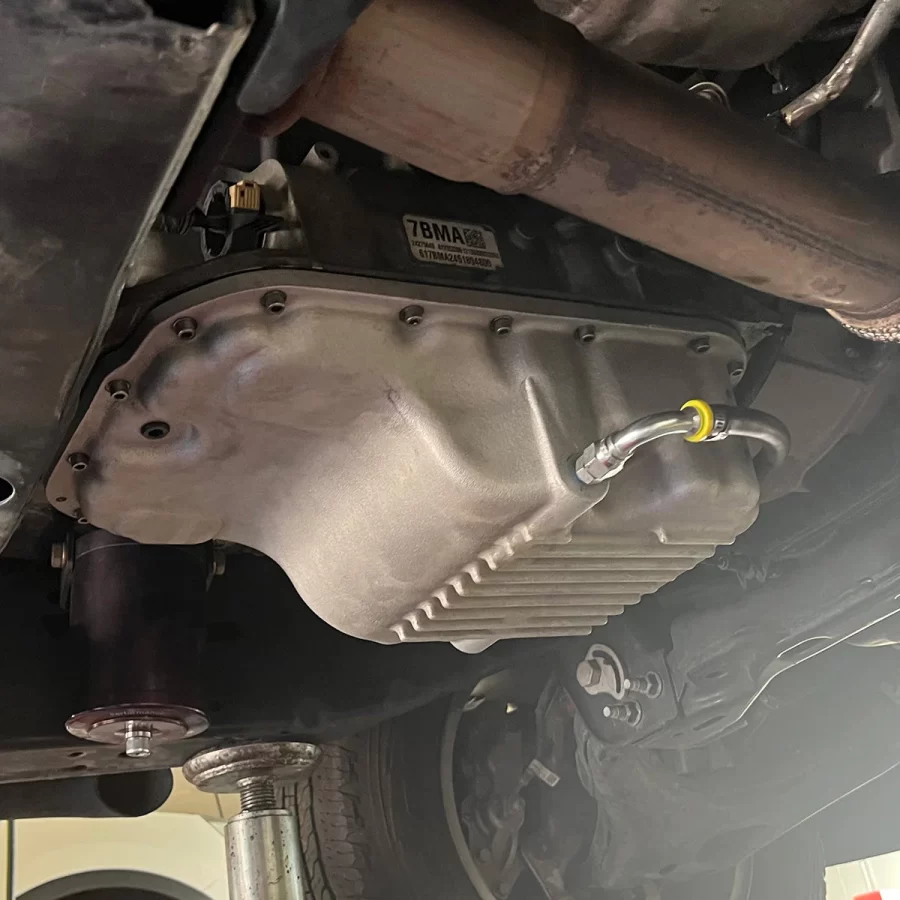
Overview of the 4L60E Transmission
The 4L60E transmission is a widely used automatic transmission found in a variety of General Motors vehicles, ranging from trucks to sedans. Known for its versatility and adaptability, it has been a staple in the automotive industry since its introduction in the early 1990s. However, like any mechanical component, it has its share of reliability issues that can arise over time.
Reliability of the 4L60E
While the 4L60E is generally considered a reliable transmission, it is not without its flaws. Many drivers have reported that, with proper maintenance, this transmission can last well over 150,000 miles. However, neglecting regular service can lead to premature failure.
Common Types of Problems
The 4L60E transmission can experience a range of issues, and being aware of these can help you identify potential problems before they escalate. Here are some of the most common types of problems:
- Slipping: This is when the transmission unexpectedly changes gears or fails to engage properly, often leading to a loss of power.
- Harsh Shifting: Drivers may notice that the transmission shifts roughly between gears, which can be uncomfortable and indicative of internal wear.
- Fluid Leaks: Transmission fluid leaks can occur from various seals and gaskets, leading to low fluid levels and potential damage if not addressed.
- Overheating: Excessive heat can cause significant damage to the transmission, often resulting from inadequate fluid levels or a failing cooler.
- Check Engine Light: This warning can be triggered by various transmission-related issues, indicating that something is amiss.
Symptoms to Watch For
Stop Guessing. Start Verifying.
Hidden transmission failures often skip the test drive, only to cost you thousands later. Learn how to spot red flags in under 30 minutes like a professional inspector.
Being vigilant about the symptoms of transmission problems can save you time and money. Here are some signs that your 4L60E may be in trouble:
- Unusual noises, such as grinding or whining sounds when the vehicle is in gear.
- Delayed engagement when shifting from park to drive or reverse.
- Fluid puddles under the vehicle, particularly red or brown fluid.
- Increased engine RPMs without corresponding speed, indicating slipping.
- Frequent or erratic shifting, especially at low speeds.
Consequences of Ignoring Issues
Ignoring the signs of transmission problems can lead to severe consequences, both financially and in terms of vehicle performance. Here’s what you might face:
- Complete Transmission Failure: If issues like slipping or overheating are not addressed, you could end up with a transmission that needs a full rebuild or replacement.
- Reduced Fuel Efficiency: A malfunctioning transmission can lead to poor fuel economy, costing you more at the pump.
- Increased Repair Costs: The longer you wait to address a problem, the more extensive and expensive the repairs can become.
- Safety Risks: A failing transmission can lead to dangerous situations, such as losing power while driving or being unable to shift into the correct gear.
By keeping an eye on these issues and symptoms, you can maintain your 4L60E transmission and ensure it serves you well for years to come.
Common Sources of Problems in the 4L60E Transmission
The 4L60E transmission is a workhorse, but it can develop issues over time due to various factors. Here, we’ll explore some of the most common sources of problems and why they occur.
Fluid Quality and Levels
Transmission fluid is the lifeblood of any automatic transmission, including the 4L60E. Poor fluid quality or incorrect levels can lead to a host of problems.
- Old or Contaminated Fluid: Over time, transmission fluid can break down and become contaminated with debris. This can lead to poor lubrication and cooling, causing wear on internal components.
- Low Fluid Levels: If the fluid is low due to leaks or inadequate maintenance, it can result in overheating and slipping.
- Incorrect Fluid Type: Using the wrong type of transmission fluid can also lead to issues, as different fluids have varying properties and additives.
Worn or Damaged Components
Mechanical wear and tear is inevitable, especially in a high-demand environment like a transmission. Here are some components that often wear out:
- Clutches: The clutches in the 4L60E can wear out over time, leading to slipping and harsh shifting.
- Seals and Gaskets: These components can harden and crack, causing fluid leaks that lead to low fluid levels and overheating.
- Torque Converter: A failing torque converter can lead to a loss of power and efficiency, impacting overall performance.
Electrical Issues
The 4L60E relies on a complex electrical system to function properly. Problems in this area can lead to erratic behavior.
- Faulty Sensors: Sensors that monitor fluid temperature, pressure, and other parameters can fail, leading to incorrect readings and shifting issues.
- Wiring Problems: Damaged or corroded wiring can interrupt the signals sent to and from the transmission control module, causing performance issues.
- Transmission Control Module (TCM) Failures: A malfunctioning TCM can lead to erratic shifting and other performance problems.
Heat and Overheating
Heat is the enemy of any transmission, and the 4L60E is no exception. Overheating can lead to severe damage.
- Inadequate Cooling: If the transmission cooler is blocked or malfunctioning, it can lead to overheating.
- High Load Conditions: Towing heavy loads or driving in stop-and-go traffic can generate excessive heat, stressing the transmission.
- Fluid Breakdown: High temperatures can cause the transmission fluid to break down, losing its effectiveness as a lubricant and coolant.
Table of Common Problems and Their Sources
| Problem | Source |
|---|---|
| Slipping | Worn clutches, low fluid levels, or contaminated fluid |
| Harsh Shifting | Worn components, faulty sensors, or incorrect fluid |
| Fluid Leaks | Worn seals and gaskets, damaged components |
| Overheating | Inadequate cooling, high load conditions, or fluid breakdown |
| Check Engine Light | Faulty sensors or electrical issues |
By keeping an eye on these common sources of problems, you can better understand what might be going wrong with your 4L60E transmission and take proactive steps to address any issues. Regular maintenance and attention to detail can go a long way in extending the life of this reliable transmission.
Repair Costs for the 4L60E Transmission
When your 4L60E transmission starts showing signs of trouble, one of the first questions that come to mind is: how much will it cost to fix? The answer can vary widely based on the specific issue, labor costs in your area, and whether you choose to repair or replace the transmission.
Typical Repair Costs
Here’s a breakdown of some common repairs and their associated costs:
| Repair Type | Estimated Cost |
|---|---|
| Fluid Change | $100 – $200 |
| Seal Replacement | $150 – $300 |
| Clutch Replacement | $500 – $1,200 |
| Torque Converter Replacement | $600 – $1,500 |
| Full Transmission Rebuild | $1,500 – $3,500 |
| Transmission Replacement | $2,000 – $4,500 |
Repair vs. Replacement
When faced with transmission issues, you often have two primary options: repair the existing transmission or replace it entirely. Here’s a closer look at the advisability of each choice:
- Repair: If the problem is isolated (like a seal leak or a faulty sensor), repairing the transmission can be a cost-effective solution. Repairs can extend the life of the transmission without the significant expense of a full replacement. However, if your transmission has multiple issues or is nearing the end of its lifespan, repairs may not be worth the investment.
- Replacement: If the transmission is severely damaged or has a history of problems, replacing it might be the better option. A new or rebuilt transmission can provide peace of mind and reliability, especially if you plan to keep the vehicle for several more years. While this option is more expensive, it can save you from recurring repair costs down the line.
- Used Transmission: Another option is to install a used transmission, which can be a budget-friendly alternative. However, you should be cautious about the condition and mileage of the used unit, as it may come with its own set of issues.
Other Considerations
When deciding between repair and replacement, consider the following factors:
- Vehicle Value: If your vehicle is older or has a low resale value, it may not make sense to invest heavily in a new transmission.
- Future Reliability: If you rely on your vehicle for daily transportation, a new transmission might provide the reliability you need.
- Warranty: Some rebuilt transmissions come with warranties, which can offer additional security for your investment.
Ultimately, the decision to repair or replace your 4L60E transmission should be based on a careful assessment of your specific situation, including the extent of the damage, your budget, and your long-term plans for the vehicle.
Statistical Data and Reviews on 4L60E Transmission Issues
When it comes to the 4L60E transmission, understanding the statistical data and user reviews can provide valuable insight into its reliability and common problems. This information can help you make informed decisions regarding repairs or replacements.
Statistical Data
Several studies and surveys have been conducted to assess the reliability and common issues associated with the 4L60E transmission. According to data from various automotive forums and repair shops, the following statistics are noteworthy:
- Approximately 30% of 4L60E transmissions experience significant issues by the time they reach 100,000 miles.
- Common problems reported include slipping (40%), harsh shifting (25%), and fluid leaks (20%).
- About 15% of users report needing a full rebuild or replacement by the 150,000-mile mark.
- Regular maintenance, including fluid changes, can extend the lifespan of the transmission by up to 50%.
Data from the National Highway Traffic Safety Administration (NHTSA) indicates that the 4L60E transmission has received numerous complaints over the years, with issues often stemming from overheating and fluid leaks.
User Reviews and Experiences
User experiences can vary widely, but many drivers have shared their thoughts on the 4L60E transmission in online forums and review sites. Here are some common themes:
Positive Reviews
- Many users praise the 4L60E for its smooth shifting and reliability when properly maintained.
- Drivers often report that with regular fluid changes and maintenance, their transmissions have lasted well over 150,000 miles without major issues.
Negative Reviews
- Some users express frustration with the frequency of repairs needed, particularly around the 100,000-mile mark.
- Many complaints focus on issues like slipping and harsh shifting, often attributed to worn clutches or low fluid levels.
- Several drivers have reported costly repairs, with some spending upwards of $3,000 on a full rebuild.
Expert Opinions
Automotive experts and mechanics often weigh in on the reliability of the 4L60E transmission. According to a survey conducted by the Automotive Service Association (ASA), many mechanics recommend:
- Regular maintenance, including fluid changes every 30,000 to 50,000 miles, to prevent common issues.
- Paying attention to early warning signs, such as slipping or harsh shifting, to avoid more extensive repairs later.
- Considering a transmission cooler for vehicles that tow or carry heavy loads, as this can help mitigate overheating issues.
By examining statistical data and user reviews, it becomes clear that while the 4L60E transmission is generally reliable, it is not without its problems. Regular maintenance and being proactive about repairs can significantly impact its lifespan and performance.