

Transmission Reliability in the Silverado 1500
The Chevrolet Silverado 1500 is a popular choice among truck enthusiasts and everyday drivers alike, known for its ruggedness and versatility. However, like any vehicle, it has its share of issues, particularly when it comes to its transmission. Reliability is a crucial factor for any truck, and while the Silverado generally performs well, some owners have reported concerning transmission problems that can affect the overall driving experience.
Common Types of Transmission Problems
Transmission issues can manifest in various ways, and Silverado 1500 owners should be aware of the most common problems they might encounter:
- Slipping Gears: This occurs when the transmission unexpectedly shifts out of gear, causing a loss of power and control.
- Delayed Engagement: Drivers may notice a lag when shifting from park to drive or reverse, which can be frustrating and potentially dangerous.
- Fluid Leaks: Transmission fluid is essential for smooth operation. Leaks can lead to low fluid levels, resulting in overheating and further damage.
- Warning Lights: The check engine light or transmission warning light may illuminate, indicating that something is wrong within the transmission system.
- Unusual Noises: Grinding or whining noises during gear shifts can signal internal problems within the transmission.
Symptoms to Watch For
Being aware of the symptoms associated with transmission issues can help drivers address problems before they escalate. Here are some signs to keep an eye on:
- Inconsistent Shifting: If the truck hesitates or shifts erratically, it could be a sign of transmission trouble.
- Loss of Acceleration: A noticeable drop in acceleration can indicate that the transmission is not engaging properly.
- Burning Smell: A burnt odor may suggest overheating, often due to low fluid levels or internal damage.
- Fluid Puddles: Finding red or brown fluid under the truck can indicate a transmission leak that needs immediate attention.
- Difficulty Shifting: If you find it hard to shift gears, it may be a sign of a failing transmission.
Consequences of Transmission Problems
Stop Guessing. Start Verifying.
Hidden transmission failures often skip the test drive, only to cost you thousands later. Learn how to spot red flags in under 30 minutes like a professional inspector.
Ignoring transmission issues can lead to severe consequences, both for the vehicle and the driver. Here are some potential outcomes:
- Increased Repair Costs: What starts as a minor issue can quickly escalate into a costly repair if not addressed promptly.
- Decreased Vehicle Performance: A malfunctioning transmission can significantly impact the truck’s performance, making it less reliable for towing or hauling.
- Safety Risks: Transmission problems can lead to sudden loss of power or control, posing a serious safety risk on the road.
- Complete Transmission Failure: Ultimately, neglecting transmission issues can lead to a complete failure, requiring a full replacement that can be financially burdensome.
Sources of Transmission Problems
The transmission system in the Chevrolet Silverado 1500 is a complex piece of engineering, and like any mechanical system, it can develop issues over time. Several factors contribute to transmission problems, and knowing these sources can help you stay ahead of potential issues.
Common Causes of Transmission Issues
Here are some of the most frequent culprits behind transmission problems in the Silverado 1500:
| Source of Problem | Description |
|---|---|
| Low Transmission Fluid | Insufficient fluid levels can lead to overheating and inadequate lubrication, resulting in premature wear and failure. |
| Contaminated Fluid | Fluid contamination from debris or old fluid can hinder the transmission’s performance and lead to component damage. |
| Worn Clutch Plates | In automatic transmissions, worn or damaged clutch plates can cause slipping and poor gear engagement. |
| Faulty Sensors | Modern transmissions rely on various sensors to function correctly. Malfunctioning sensors can disrupt shifting patterns. |
| Electrical Issues | Problems with the transmission control module or wiring can lead to erratic shifting and performance issues. |
Additional Factors Contributing to Transmission Problems
In addition to the common causes listed above, there are other factors that can exacerbate transmission issues:
- Driving Habits: Aggressive driving, frequent towing, or overloading the truck can put extra stress on the transmission.
- Neglected Maintenance: Failing to perform regular maintenance, such as fluid changes, can lead to a buildup of contaminants and wear.
- Environmental Conditions: Extreme temperatures, whether hot or cold, can affect transmission fluid performance and overall operation.
- Aftermarket Modifications: Modifying the truck for increased power or performance can strain the transmission beyond its designed limits.
Preventive Measures and Maintenance
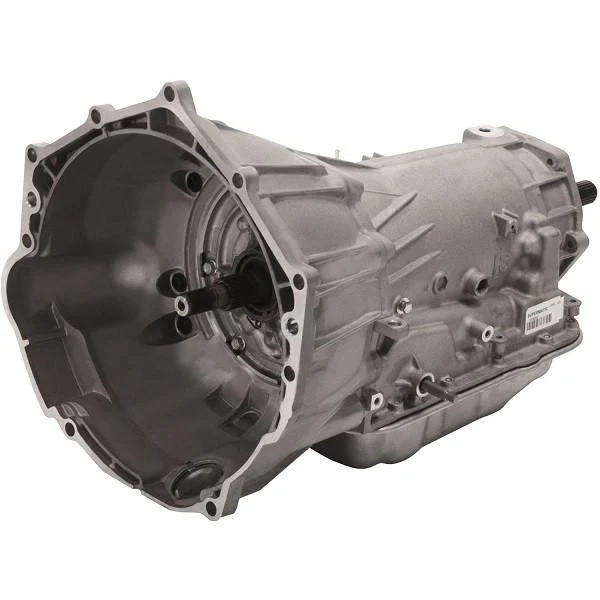
While it’s essential to be aware of the sources of transmission problems, taking preventive measures can help mitigate these issues before they arise. Regular maintenance is key to ensuring the longevity of your Silverado 1500’s transmission.
Recommended Maintenance Practices
Here are some maintenance practices that can help keep your transmission in good shape:
- Regular Fluid Checks: Periodically check the transmission fluid level and condition. Look for discoloration or a burnt smell.
- Fluid Changes: Follow the manufacturer’s recommended schedule for fluid changes to prevent contamination and wear.
- Inspect for Leaks: Regularly inspect the undercarriage for signs of fluid leaks, which can indicate a problem that needs addressing.
- Monitor Driving Behavior: Be mindful of how you drive. Avoid aggressive acceleration and heavy towing unless necessary.
- Use Quality Parts: If repairs are needed, ensure that high-quality parts and fluids are used to maintain performance.
By staying informed about the sources of transmission problems and adhering to a solid maintenance routine, you can help ensure that your Chevrolet Silverado 1500 remains reliable for years to come.
Repair Costs for Transmission Issues
When it comes to transmission problems in the Chevrolet Silverado 1500, one of the first questions that arises is, “How much will it cost to fix this?” The answer can vary significantly depending on the nature of the issue, the extent of the damage, and whether you choose to repair or replace the transmission.
Estimated Repair Costs
Here’s a breakdown of common transmission repairs and their associated costs:
| Type of Repair | Estimated Cost |
|---|---|
| Transmission Fluid Change | $100 – $200 |
| Transmission Flush | $150 – $300 |
| Minor Repairs (e.g., solenoid replacement) | $200 – $800 |
| Rebuilding Transmission | $1,500 – $3,000 |
| Complete Transmission Replacement | $3,000 – $5,000 |
Repair vs. Replacement: What to Consider
Deciding whether to repair or replace the transmission is a critical choice that can impact your finances and vehicle longevity. Here are some factors to consider:
- Cost of Repair: If the cost of repairing the transmission is significantly lower than a full replacement, it may be worth considering a repair, especially if the truck is otherwise in good condition.
- Age of the Vehicle: If your Silverado 1500 is older and has high mileage, investing in a new transmission might not be advisable. A replacement could be more cost-effective in the long run.
- Extent of Damage: If the transmission has multiple issues or significant internal damage, a rebuild or replacement might be the only viable option.
- Future Reliability: A rebuilt or new transmission can provide peace of mind and improved performance, while repairs may only offer a temporary fix.
- Warranty Considerations: If your vehicle is still under warranty, repairs may be covered, making it more financially feasible to address issues without significant out-of-pocket expenses.
Other Options to Consider
If you’re not keen on a full transmission replacement, there are alternative options worth exploring:
- Used Transmission: Purchasing a used transmission can be a budget-friendly option, but ensure it comes with a warranty and has been thoroughly inspected.
- Rebuilt Transmission: A rebuilt transmission can offer a balance between cost and reliability, as it has been refurbished to meet manufacturer specifications.
- DIY Repairs: If you’re mechanically inclined, some minor repairs can be done at home, saving you labor costs. However, this is only advisable for individuals with the right skills and tools.
Ultimately, the decision to repair or replace your Silverado 1500’s transmission should be made after careful consideration of the costs, the vehicle’s condition, and your long-term plans for the truck.
Statistical Insights and Reviews on Transmission Issues
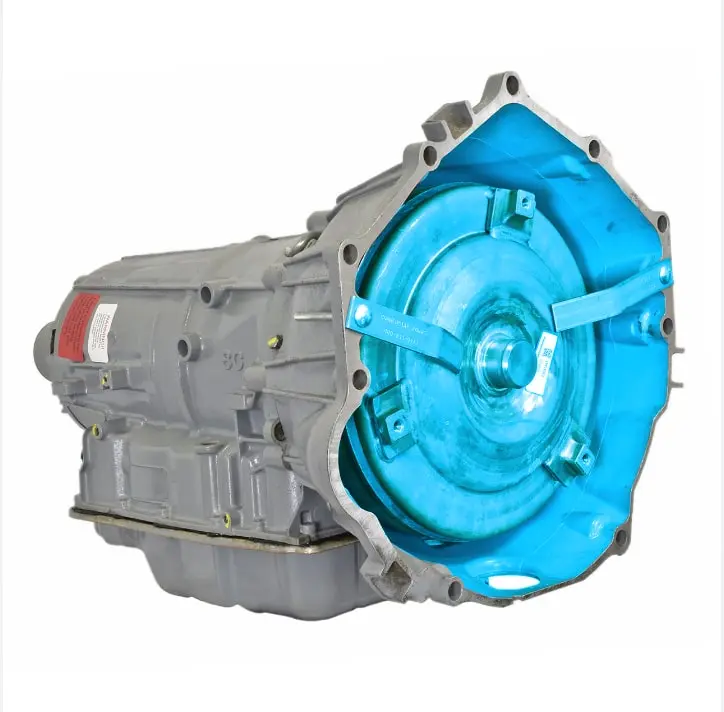
When it comes to the Chevrolet Silverado 1500, understanding the prevalence of transmission problems can provide a clearer picture of what many owners might face. Statistical data from various automotive sources can shed light on the frequency and nature of these issues.
Statistical Data on Transmission Problems
According to a report from the National Highway Traffic Safety Administration (NHTSA), transmission issues are among the most frequently reported problems for the Silverado 1500. Here are some key statistics:
- Approximately 15% of Silverado 1500 owners report experiencing transmission problems within the first 100,000 miles.
- Transmission-related complaints rank in the top five issues reported by owners, alongside electrical and engine problems.
- Data from Consumer Reports indicates that the reliability rating for the Silverado’s transmission has fluctuated over the years, with some model years receiving lower ratings due to reported issues.
Owner Reviews and Experiences
Real-world experiences from Silverado 1500 owners can provide valuable insights into the common transmission issues faced. Here’s a summary of feedback gathered from various automotive forums and review sites:
Common Complaints
- Slipping Gears: Many owners have reported experiencing slipping gears, particularly in older models, leading to concerns about safety and reliability.
- Delayed Engagement: A significant number of users have mentioned delays when shifting from park to drive, which can be frustrating and alarming.
- Fluid Leaks: Several reviews highlight issues with fluid leaks, prompting owners to frequently check their transmission fluid levels.
Positive Feedback
While there are complaints, many owners also share positive experiences regarding the Silverado’s overall performance:
- Durability: Many users praise the Silverado 1500 for its durability and ability to handle heavy loads, even with some transmission issues.
- Comfort and Handling: The driving comfort and handling of the Silverado are often highlighted, making it a favorite among truck enthusiasts.
- Strong Resale Value: Despite transmission problems, the Silverado 1500 tends to retain its value well, indicating strong demand in the used truck market.
Expert Opinions
Automotive experts often weigh in on the transmission issues faced by Silverado 1500 owners. According to a review from Edmunds, the Silverado’s transmission is generally robust, but certain model years have been flagged for issues. They recommend potential buyers to research specific model years and consider extended warranties for added peace of mind.
Recommendations from Mechanics
Mechanics suggest that regular maintenance can significantly reduce the likelihood of transmission problems. Here are some recommendations based on expert insights:
- Regular Fluid Changes: Changing the transmission fluid every 30,000 to 60,000 miles can help prevent issues related to contamination.
- Timely Inspections: Regular inspections can catch minor issues before they escalate into major problems, saving time and money in the long run.
- Use OEM Parts: When repairs are necessary, using original equipment manufacturer (OEM) parts can ensure compatibility and reliability.
By understanding the statistical data and reviews surrounding transmission issues in the Chevrolet Silverado 1500, potential buyers and current owners can make informed decisions about maintenance and repairs.
