

Transmission Reliability in the Malibu
When it comes to the Chevrolet Malibu, the transmission is a critical component that can significantly impact the vehicle’s overall reliability. While many drivers appreciate the Malibu for its comfortable ride and stylish design, it’s important to be aware of potential transmission issues that may arise over time.
Common Transmission Problems
The Malibu’s transmission can experience a variety of problems, some of which are more prevalent than others. Here are some of the most common issues reported by drivers:
- Slipping Gears: One of the most frustrating problems is when the transmission slips out of gear unexpectedly, leading to a loss of power and control.
- Delayed Engagement: Many drivers have reported a noticeable delay when shifting from park to drive or reverse, which can be both inconvenient and alarming.
- Rough Shifting: A smooth ride is often compromised by rough or harsh shifting, which can be indicative of underlying transmission issues.
- Fluid Leaks: Transmission fluid leaks are a common issue that can lead to low fluid levels, resulting in overheating and potential damage.
- Warning Lights: The check engine light or transmission warning light may illuminate on the dashboard, signaling that something is amiss.
Symptoms to Watch For
Being aware of the symptoms associated with transmission problems can help you catch issues early. Here are some signs that your Malibu may be experiencing transmission trouble:
- Unusual Noises: Grinding, whining, or clunking noises when shifting gears can indicate a serious problem.
- Burning Smell: A burning odor, especially if accompanied by slipping or rough shifting, may suggest overheating or burning fluid.
- Fluid Puddles: Finding red or brown fluid spots under your vehicle can indicate a leak, which should be addressed promptly.
- Increased RPMs: If the engine revs higher than normal without a corresponding increase in speed, it may indicate slipping gears.
- Stalling: A sudden stall while driving can be alarming and may point to transmission failure.
Consequences of Ignoring Transmission Issues
Stop Guessing. Start Verifying.
Hidden transmission failures often skip the test drive, only to cost you thousands later. Learn how to spot red flags in under 30 minutes like a professional inspector.
Ignoring transmission problems can lead to a host of consequences that can significantly affect your driving experience and safety. Here are some potential outcomes:
- Decreased Performance: A malfunctioning transmission can lead to poor acceleration and overall vehicle performance.
- Increased Repair Costs: What might start as a minor issue can escalate into a major repair job if not addressed promptly.
- Safety Risks: Transmission failures can lead to dangerous situations on the road, such as stalling in traffic or losing control of the vehicle.
- Reduced Resale Value: A history of transmission problems can negatively impact the resale value of your Malibu.
Being proactive about understanding and addressing transmission issues in your Chevrolet Malibu can save you time, money, and headaches down the road. Stay alert for the signs and symptoms, and don’t hesitate to seek help if you suspect something is wrong.
Sources of Transmission Problems
When it comes to the Chevrolet Malibu, several factors can contribute to transmission problems. Identifying these sources is crucial for maintaining the longevity and reliability of your vehicle. Below are some common causes of transmission issues:
1. Lack of Maintenance
Regular maintenance is key to keeping your transmission in good working order. Neglecting fluid changes or ignoring scheduled service can lead to a host of problems.
- Transmission fluid breaks down over time, losing its effectiveness.
- Dirty or contaminated fluid can cause wear on internal components.
2. Overheating
Transmission overheating is a common issue that can lead to severe damage. This can be caused by:
- Low fluid levels due to leaks.
- Heavy towing or carrying excessive loads.
- Blocked transmission coolers.
3. Mechanical Failures
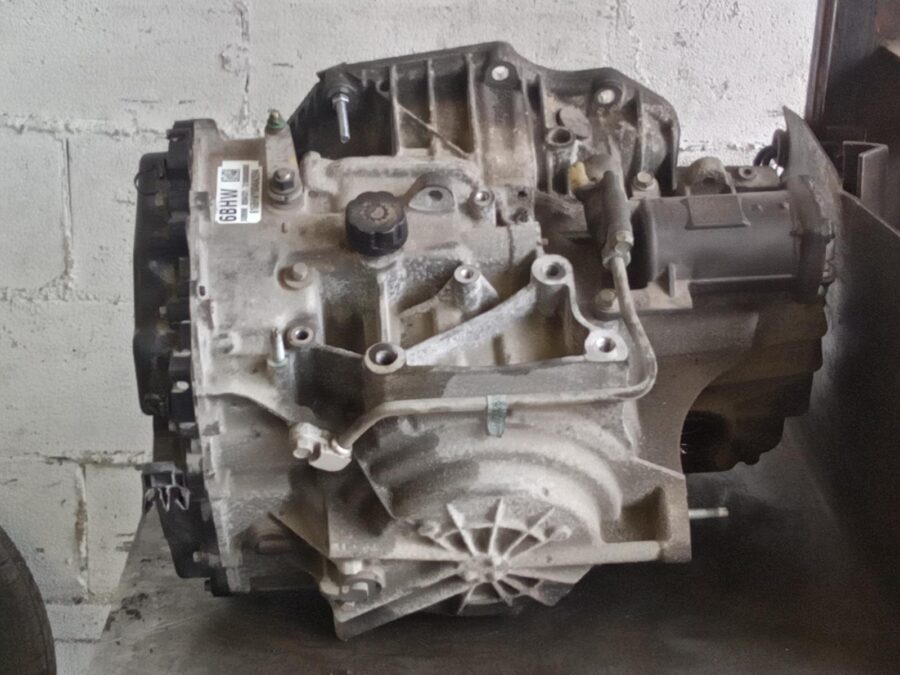
Mechanical components within the transmission can wear out or fail, leading to significant problems. Common mechanical failures include:
- Worn clutches that can slip or fail to engage properly.
- Broken gears that can cause grinding or difficulty shifting.
- Damaged solenoids that control fluid flow and pressure.
4. Electrical Issues
Modern transmissions rely heavily on electronic components. Electrical problems can lead to erratic shifting or complete failure. Key issues include:
- Faulty sensors that provide incorrect data to the transmission control module.
- Wiring issues that can disrupt communication between components.
Common Solutions
Addressing transmission problems in the Chevrolet Malibu often requires a range of solutions, depending on the source of the issue. Here’s a breakdown of common solutions:
| Problem Source | Common Solutions |
|---|---|
| Lack of Maintenance |
|
| Overheating |
|
| Mechanical Failures |
|
| Electrical Issues |
|
5. Driving Habits
Sometimes, the way a vehicle is driven can contribute to transmission problems. Aggressive driving, frequent stop-and-go traffic, and towing beyond the vehicle’s capacity can all add stress to the transmission.
- Practice smooth acceleration and braking.
- Avoid towing heavy loads unless necessary.
6. Environmental Factors
External factors can also play a role in transmission health. For example:
- Driving in extreme temperatures can affect fluid viscosity.
- Frequent short trips may not allow the transmission to reach optimal operating temperature.
By understanding the sources of transmission problems and potential solutions, Malibu owners can take proactive steps to maintain their vehicle’s performance and reliability. Regular checks and addressing issues early can save you from more significant headaches down the road.
Repair Costs for Transmission Issues
When faced with transmission problems in your Chevrolet Malibu, one of the most pressing questions is how much the repair will cost. The cost can vary significantly based on the nature of the problem, the extent of the damage, and whether you choose to repair or replace the transmission. Below is a breakdown of typical costs associated with common transmission repairs.
Typical Repair Costs
The following table outlines average costs for various transmission-related repairs:
| Repair Type | Average Cost |
|---|---|
| Transmission Fluid Change | $100 – $200 |
| Transmission Flush | $150 – $300 |
| Clutch Replacement | $500 – $1,500 |
| Transmission Rebuild | $1,500 – $3,500 |
| Transmission Replacement | $3,000 – $5,000 |
Repair vs. Replacement
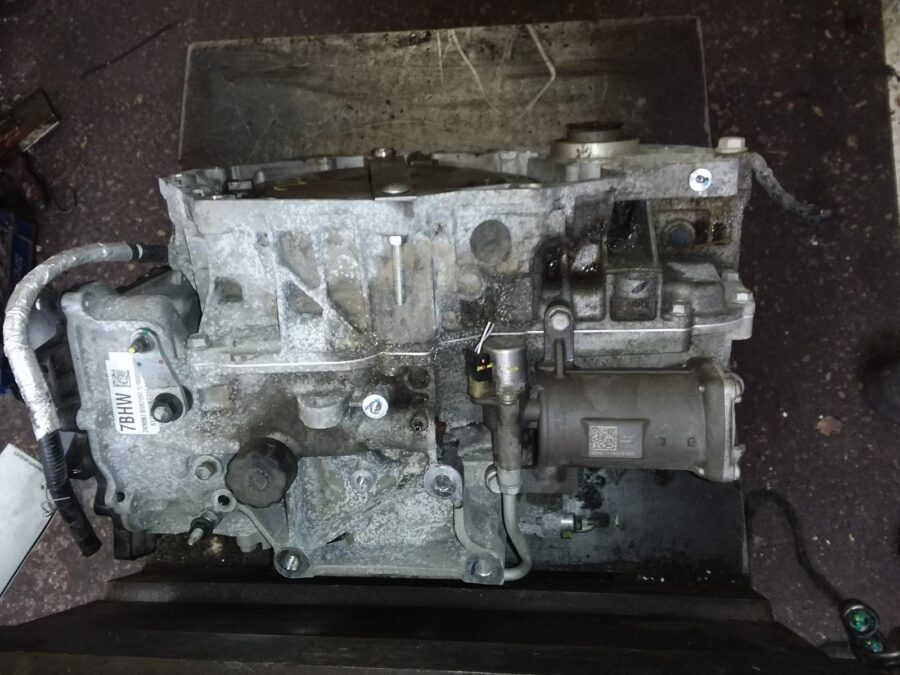
Deciding whether to repair or replace the transmission can be a tough call. Here are some factors to consider:
- Extent of Damage: If the transmission has minor issues, such as a fluid leak or a faulty sensor, repairs may be more cost-effective. However, if the transmission is severely damaged or has multiple issues, replacement might be the better option.
- Age of the Vehicle: If your Malibu is older and has high mileage, investing in a new transmission may not be wise. In such cases, consider the vehicle’s overall condition and potential future repairs.
- Cost of Repairs: If the cost of repairing the transmission approaches or exceeds the cost of a replacement, it may be more sensible to opt for a new transmission.
- Warranty Considerations: If your vehicle is still under warranty, some repairs may be covered, making it more affordable to fix the existing transmission rather than replace it.
Other Options
If you’re not ready to commit to a full transmission replacement, there are alternative options to explore:
- Used or Rebuilt Transmissions: Purchasing a used or rebuilt transmission can be a cost-effective alternative to a brand-new unit. However, ensure that the source is reputable and that the transmission comes with some form of warranty.
- Transmission Additives: Some drivers opt for transmission additives that claim to improve performance or stop leaks. While these can be a temporary fix, they are not a substitute for proper repairs.
- Regular Maintenance: Investing in regular maintenance can prevent many transmission issues from developing in the first place, saving you money in the long run.
In the end, the decision to repair or replace your Chevrolet Malibu’s transmission will depend on various factors, including the severity of the problem, the vehicle’s age, and your budget. Weighing these options carefully can help you make the best choice for your situation.
Statistical Data on Transmission Problems
Transmission problems are a common concern among Chevrolet Malibu owners, and statistics can provide valuable insights into the prevalence and impact of these issues. According to a report from the National Highway Traffic Safety Administration (NHTSA), transmission-related complaints account for a significant portion of vehicle issues reported by consumers.
Prevalence of Transmission Issues
Here are some key statistics regarding transmission problems in the Chevrolet Malibu:
- According to a survey conducted by CarComplaints.com, approximately 20% of Chevrolet Malibu owners reported experiencing transmission issues within the first 100,000 miles.
- The average cost of transmission repairs for the Malibu ranges from $1,500 to $3,500, depending on the severity of the problem.
- A Consumer Reports survey indicated that the Malibu received a reliability rating of 3 out of 5 for its transmission, suggesting that while many owners have positive experiences, a notable percentage encounter issues.
Owner Reviews and Experiences
Owner reviews provide a wealth of anecdotal evidence regarding transmission problems in the Chevrolet Malibu. Here are some common themes from user experiences:
Positive Feedback
- Many drivers appreciate the smooth driving experience and fuel efficiency of the Malibu, especially in newer models.
- Some owners have reported that regular maintenance and timely fluid changes have kept their transmissions running smoothly for over 100,000 miles without major issues.
Negative Feedback
- A significant number of owners have shared experiences of transmission slipping and rough shifting, often leading to costly repairs.
- Several reviews mention that the delay in engagement when shifting from park to drive or reverse is a frustrating issue that has persisted even after repairs.
- Some users have expressed dissatisfaction with the customer service received from dealerships when addressing transmission problems, highlighting a gap in support for affected owners.
Authoritative Sources and Recommendations
Several automotive experts and organizations have weighed in on the transmission issues faced by Chevrolet Malibu owners. The following sources provide valuable recommendations:
- The Automotive Research Center recommends that Malibu owners adhere to the manufacturer’s maintenance schedule, emphasizing the importance of regular fluid changes and inspections to prevent transmission problems.
- Consumer Reports suggests that potential buyers of used Malibus should inquire about the vehicle’s transmission history and seek out models with documented maintenance records.
- Edmunds.com advises owners to be proactive about addressing any early signs of transmission trouble, as catching issues early can save significant repair costs later on.
By considering statistical data, owner reviews, and expert recommendations, Chevrolet Malibu owners can better navigate the challenges associated with transmission problems. Being informed and proactive can make a significant difference in maintaining the health and longevity of your vehicle’s transmission.
